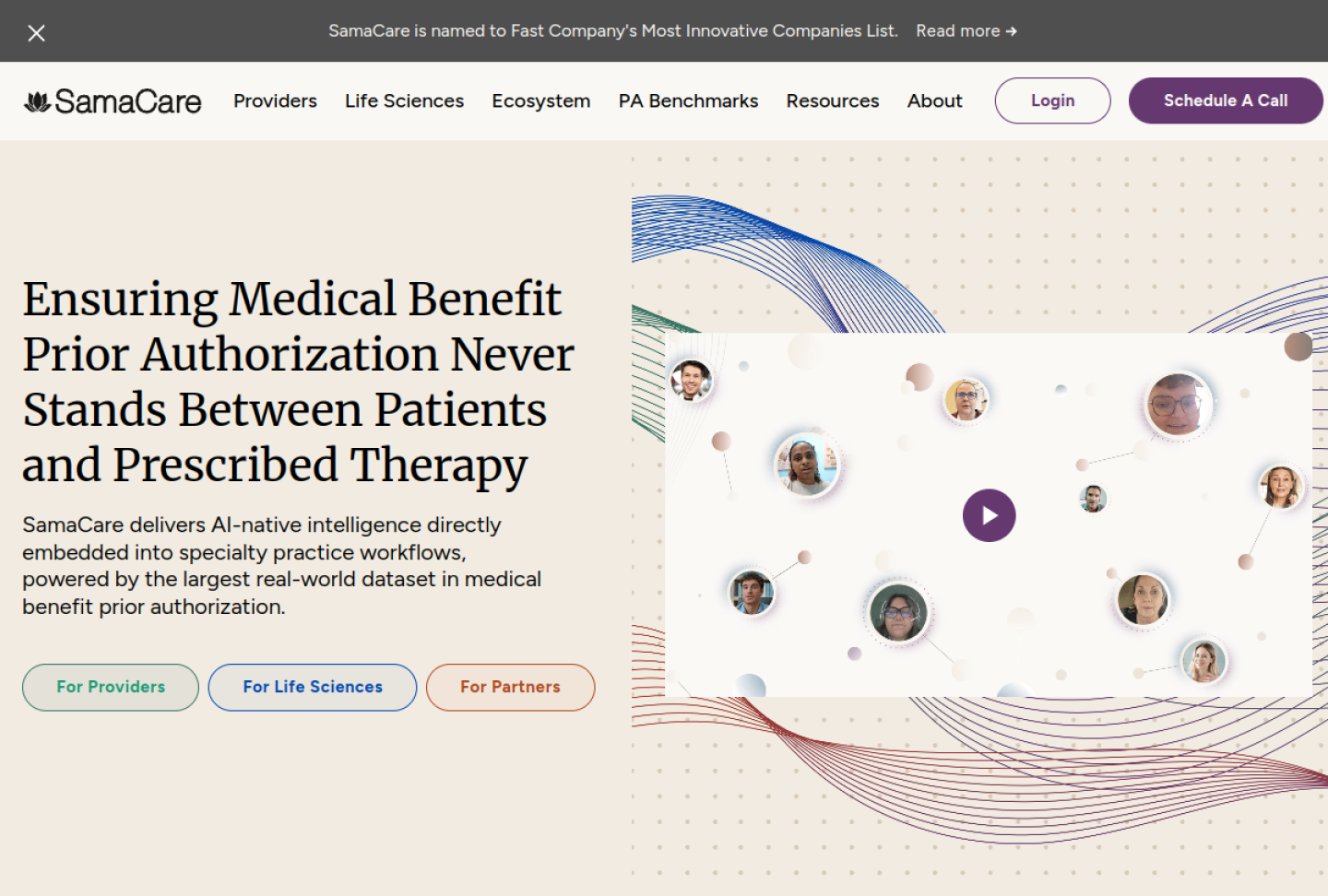
Clinical operations and revenue cycle
SamaCare
Medical benefit prior authorization platform that combines specialty-practice workflow automation, real-world access intelligence, AI recommendations, and human checkpoints.
Last updated: June 10, 2026
Back to directoryClinician-led AI platform for health plans that automates parts of prior authorization and related payer clinical workflows while escalating cases for clinician review.

Payers and delegated clinical-review organizations trying to reduce prior-authorization burden while preserving medical-policy traceability, audit logs, and clinician oversight.
Compare within workflow: Clinical operations and revenue cycle · comparison shortlist · source index
Product-specific review. These product-specific signals summarize what the cited sources imply before treating Anterior as safe for a local clinical, operational, or research workflow.
| Regulatory / FDA | Treat as high-impact payer utilization-management infrastructure; verify CMS prior-authorization rules, state UM and appeal obligations, plan medical-policy governance, delegated-entity responsibilities, FHIR/DTR implementation, and whether automation changes authorization, denial, delay, or care-modification decisions. |
|---|---|
| Privacy | Review health-plan PHI processing under customer agreements rather than public website privacy alone, including BAA terms, member and provider data, clinical records, faxes, call or communication content, audit logs, subprocessors, retention, support access, and model-training limits. |
| Evidence | Require local validation beyond vendor benchmarks: approval accuracy, missed approvals, inappropriate escalations, clinical-review burden, turnaround time, demographic error-rate monitoring, appeal reversals, policy-version drift, and reviewer override patterns. |
| Workflow | Best governed with explicit auto-approval thresholds, clinician review queues, cited policy evidence, audit-ready reasoning logs, appeal handoffs, quality sampling, kill-switches, and medical-director ownership before production decisions affect members or providers. |
Anterior describes its product as clinical AI for health plans, with a prior-authorization solution covering intake, verification, policy preparation, medical-necessity reasoning, summaries, FHIR conversions, real-time decisioning, auditable reasoning, affirmative decision-making, and clinician escalation; its Actions page adds modular payer tasks across utilization management, claims, compliance, risk adjustment, and care management, while privacy terms note that health-plan PHI processing is governed by customer agreements.
Not for: Provider-facing authorization letters alone, autonomous denials, care delays, benefit changes without human review, or deployment where payer policy logic, appeal rights, PHI handling, fairness, and audit evidence cannot be verified.
Use these links to confirm current claims, terms, regulatory status, pricing, and deployment requirements.
Medical benefit prior authorization platform that combines specialty-practice workflow automation, real-world access intelligence, AI recommendations, and human checkpoints.
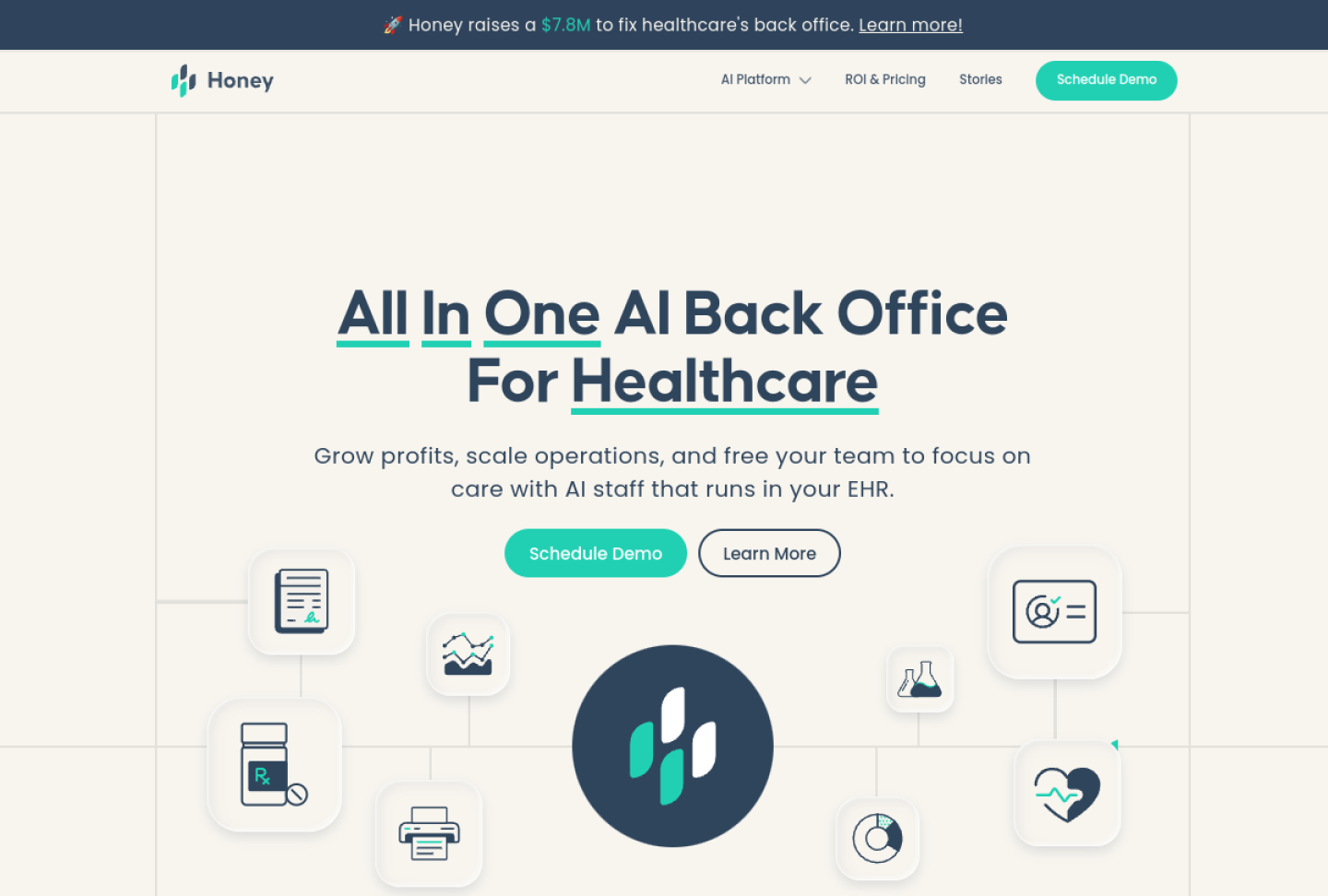
AI back-office platform for healthcare operations that runs administrative workflows inside existing EHR, portal, referral, prior-authorization, refill, and revenue-cycle processes.
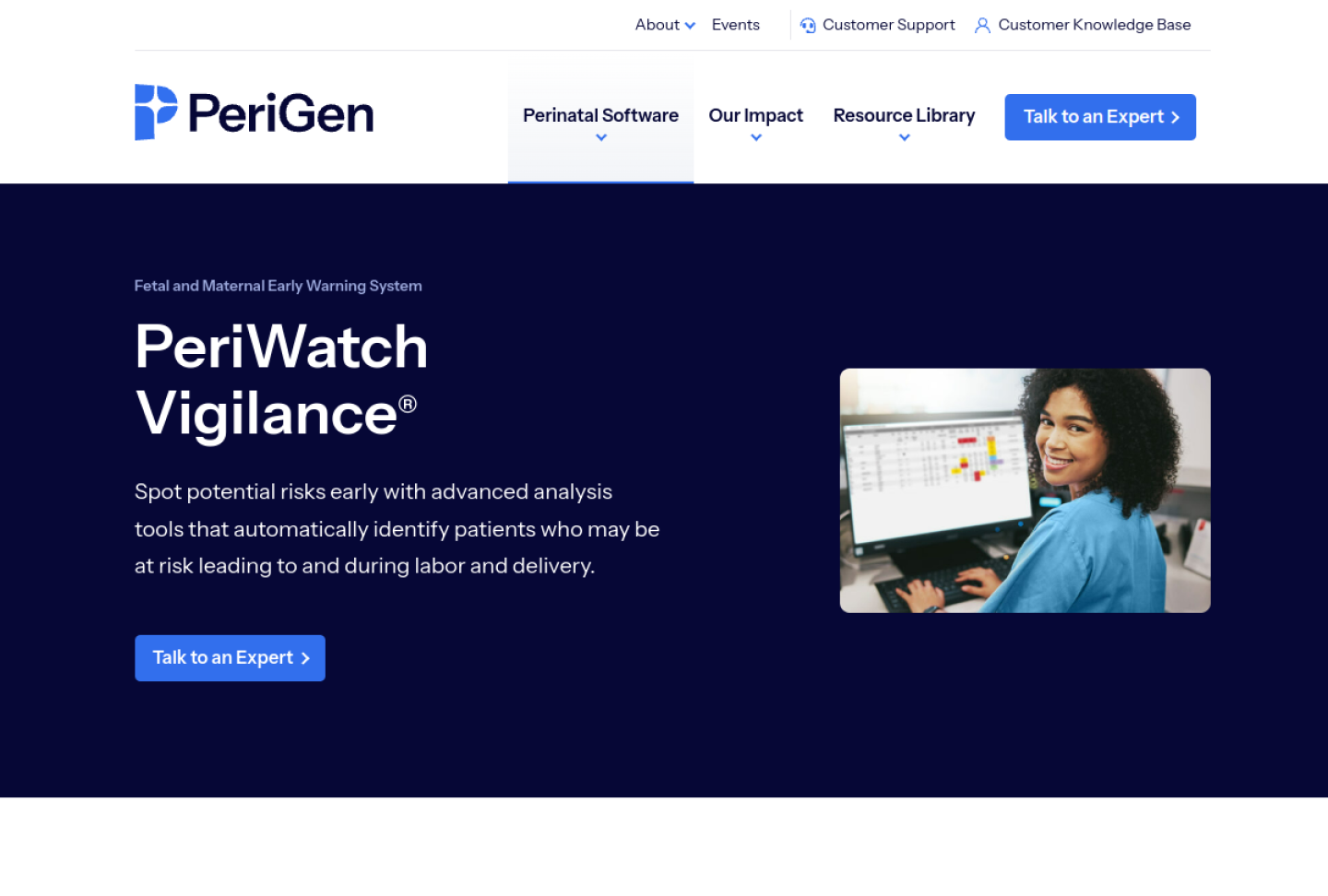
Perinatal early-warning platform that uses FDA-cleared fetal heart rate analytics and supervised machine learning to support clinician review of maternal and fetal monitoring signals.
Remote pregnancy monitoring platform that uses a wearable sensor band and cloud-based processing to support clinician-ordered antepartum fetal surveillance from home or healthcare settings.