Clinical evidence and questions
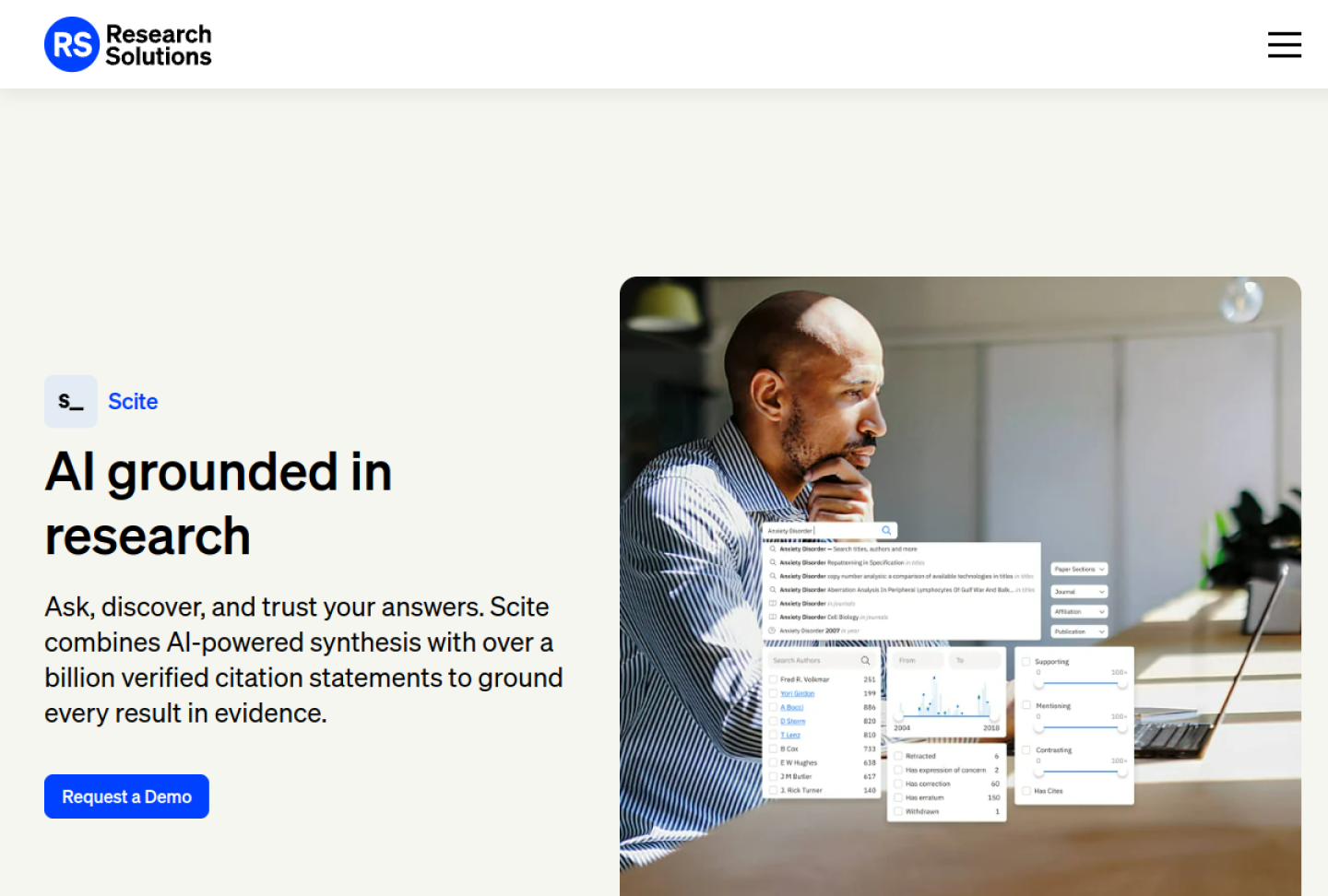
Scite
AI research assistant built around verified citation statements and citation context.
Last updated: June 14, 2026
Back to directoryAI research assistant for literature review workflows, including systematic reviews.
Research teams that need structured literature search and extraction support.
Compare within workflow: Clinical evidence and questions · comparison shortlist · source index
Product-specific review. These product-specific signals summarize what the cited sources imply before treating Elicit as safe for a local clinical, operational, or research workflow.
| Regulatory / FDA | Treat as literature-review and evidence-synthesis workflow software rather than patient-care decision support. |
|---|---|
| Privacy | Use de-identified literature and project materials unless enterprise terms explicitly cover confidential or patient-related documents. |
| Evidence | Validate search recall, screening decisions, extraction fields, source quotes, and PRISMA-style audit trail on the review topic before relying on outputs. |
| Workflow | Best for systematic-review teams that keep human reviewer reconciliation, protocol documentation, and final appraisal outside the automation. |
Elicit describes AI-enabled systematic reviews with search, screening, and data extraction workflows, and support materials distinguish systematic-review workflows from broader research-agent sourcing.
Not for: Final systematic-review conclusions without PRISMA-style methods and human validation.
Use these links to confirm current claims, terms, regulatory status, pricing, and deployment requirements.
AI research assistant built around verified citation statements and citation context.
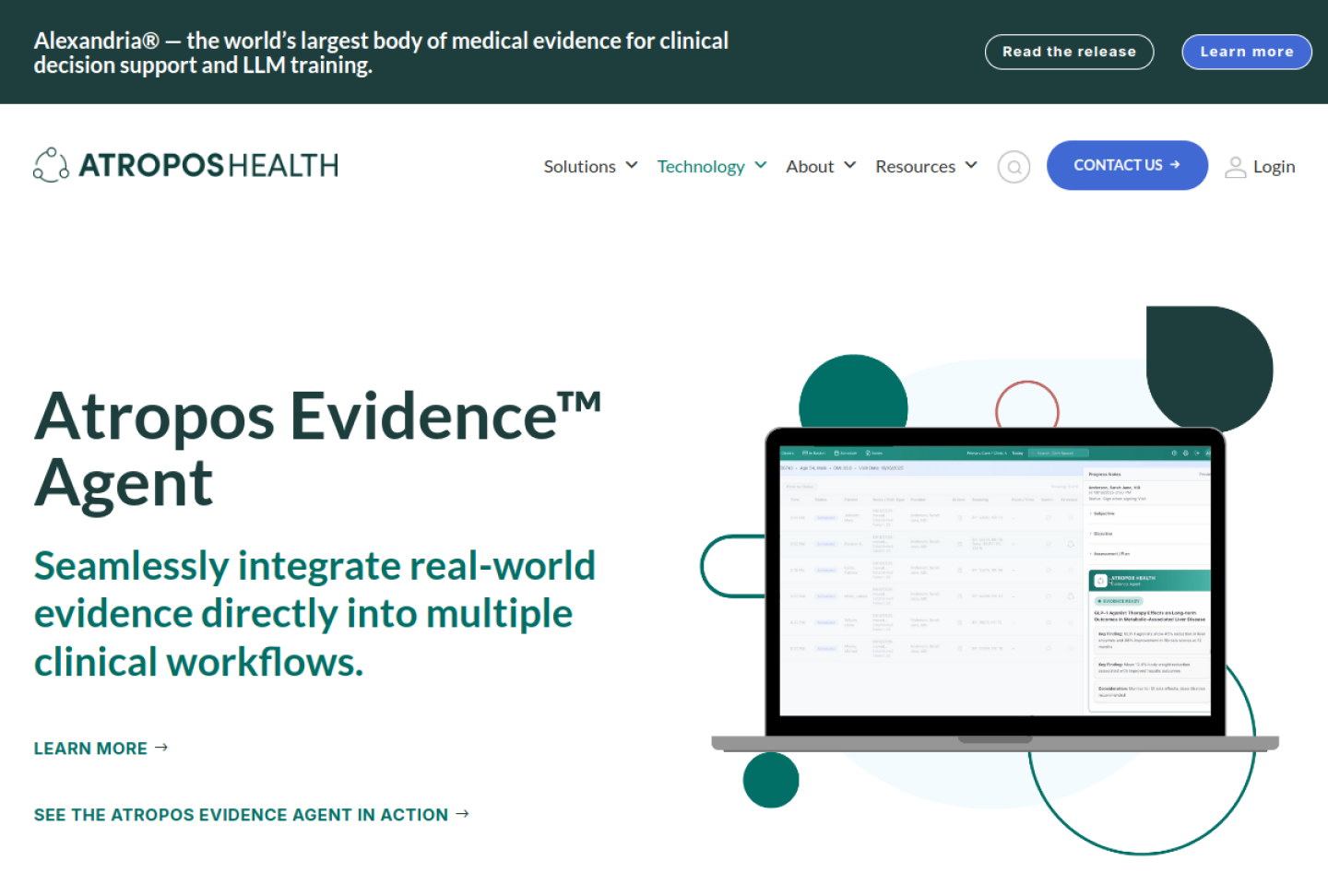
Evidence platform and agentic workflow for generating and surfacing real-world evidence in clinical settings.
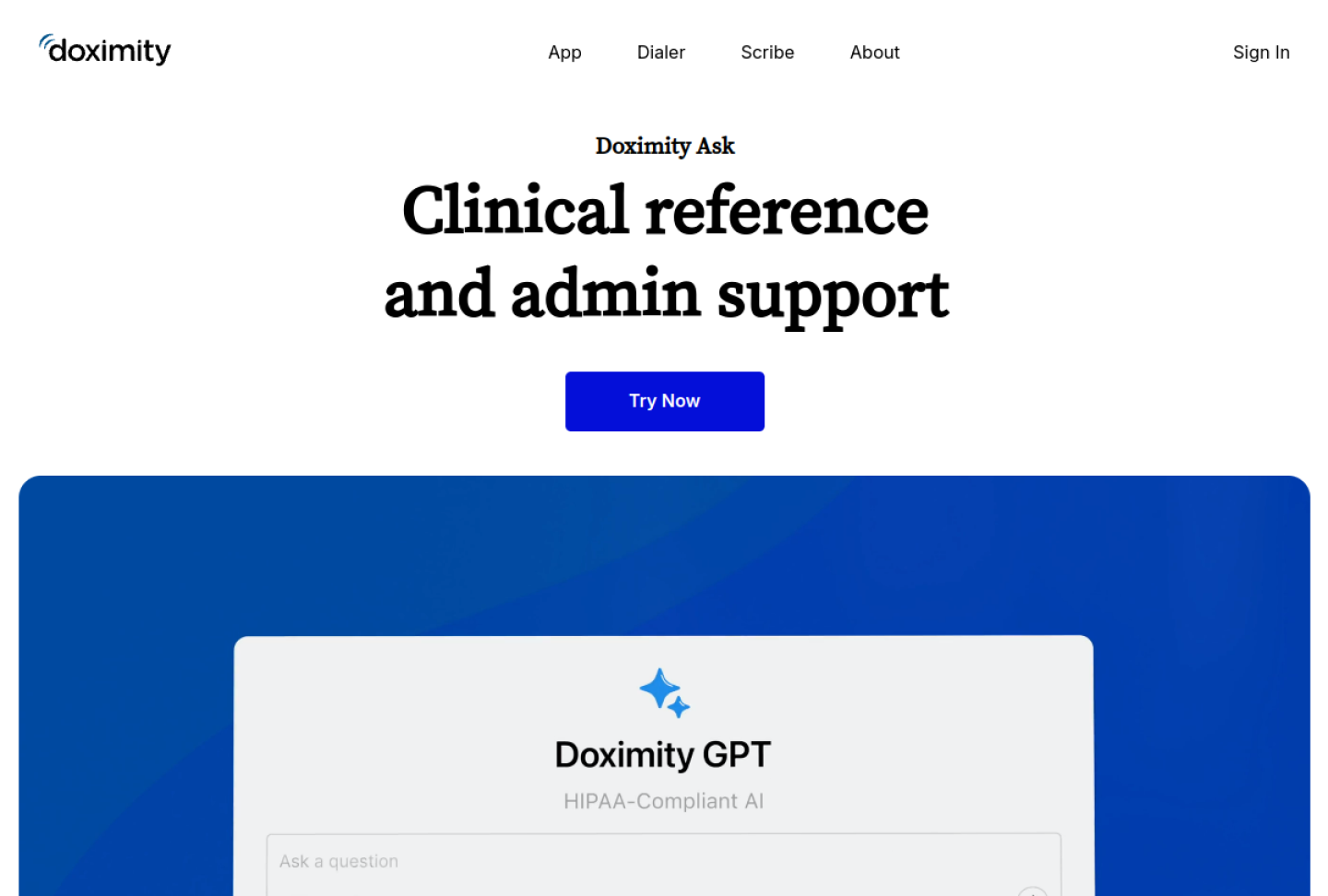
Doximity's clinician AI assistant for evidence-referenced answers and administrative writing tasks inside the Doximity workflow.

UK-focused medical information platform that uses AI modes to help clinicians search trusted clinical sources and verify answers against source material.