Prior Authorization AI: Provider and Payer Automation Checks
Evaluate prior authorization AI by payer-policy traceability, chart evidence, clinician review, denial controls, appeals, privacy, and audit logs.
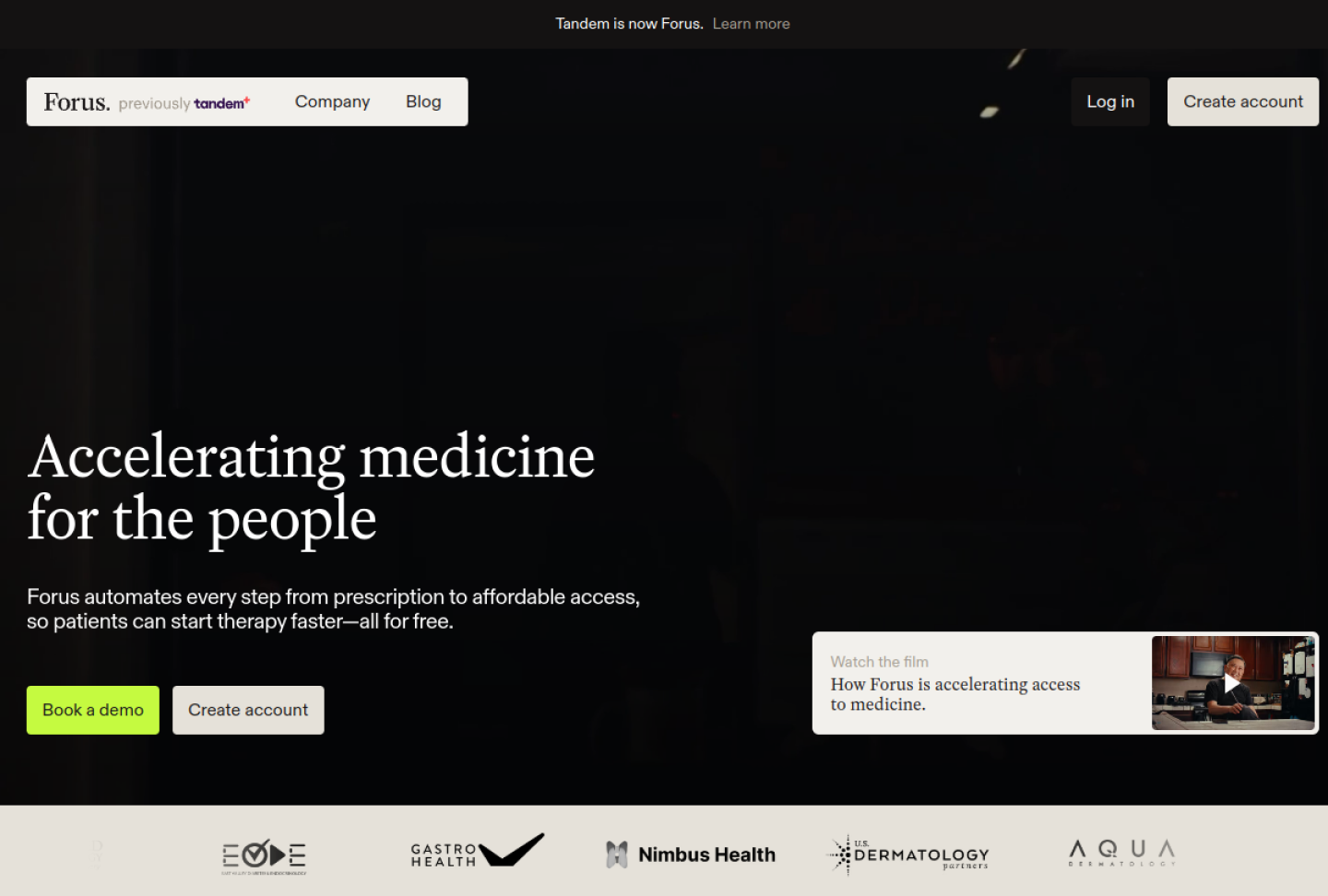
Representative source image: official Forus product page.
Quick answer: Prior authorization AI can prepare packets, extract chart evidence, check payer criteria, monitor status, draft appeals, and support health-plan review workflows. It should remain policy-traceable, PHI-governed, appeal-aware, and human-reviewed, especially when outputs affect coverage, medical necessity, or patient access.
Who this guide is for
Provider revenue cycle teams, specialty practices, utilization management leaders, health plans, physician advisors, and medication-access teams.
What makes this workflow different
Prior authorization AI touches patient access, payer policy, clinical documentation, benefits, and appeals, so buyers need stronger evidence trails than generic back-office automation.
What to verify before using it
Separate provider-side packet preparation from payer-side coverage, denial, or medical-necessity determination workflows.
Trace each recommendation to chart evidence, CPT/HCPCS codes, diagnosis codes, payer criteria, benefit rules, and authorization history.
Define who reviews submissions, denials, appeal letters, incomplete cases, automatic approvals, and outreach before the workflow affects care access.
Measure turnaround time, first-pass approval, denial quality, appeal outcomes, abandonment, provider abrasion, and subgroup access effects.
Risk level and safe use
Medical risk
Medium to high
Best first step
Write the workflow in one sentence, decide who reviews the AI output, and test with a small controlled pilot before expanding.
Recommended posture
Use AI as supervised workflow support. Verify sources, privacy, human review, and regulatory fit before relying on outputs.
Source-backed products for this workflow
These profiles are not rankings. They are starting points for checking vendor claims, privacy terms, FDA or regulatory posture, evidence, and workflow fit.
Forus says it automates medication access workflows including prior authorizations, appeal letters, enrollment forms, benefit verification, specialty pharmacy calls, PA renewals, affordability programs, and patient communication; its public materials state that it works with major EHRs and references HIPAA, BAA, SOC 2 Type II, encryption, and US-based enterprise systems.
Best for
Provider groups that prescribe high-friction medications and need staff-supervised automation for PA packets, appeals, benefit checks, renewals, and patient follow-up.
First check
Which medication workflows are in scope: prior authorization, appeal letters, benefit verification, specialty-pharmacy calls, enrollment forms, renewals, or patient updates.
Apixio materials describe Apicare AuthAdvisor as AI-powered prior authorization decision support that analyzes historical administrative and decision data, can approve requests in seconds, exposes user-controlled thresholds by procedure, and routes requests needing review; Datavant privacy materials describe HIPAA business-associate safeguards for PHI handled on behalf of healthcare customers, while CMS prior authorization rules frame payer obligations for interoperability, decision data, and process transparency.
Best for
Payer teams trying to reduce manual prior authorization review volume while preserving policy controls, clinical-review queues, and auditability.
First check
Whether AuthAdvisor is still sold, implemented, and supported under Apixio, Datavant, or another contracting entity for your payer segment.
Cohere Health describes a clinical intelligence platform for AI-powered prior authorization, utilization management, payment integrity, and Cohere Unify workflows; its privacy policy says PHI on the password-restricted platform is governed by customer BAAs and that sensitive information is protected in transit and at rest.
Best for
Payers and delegated-risk organizations that need clinical policy automation, real-time authorization workflows, payment integrity review, and human oversight for complex cases.
First check
Which workflow is in scope: prior authorization, delegated utilization, API-based CMS-0057 compliance, payment integrity, appeals, or clinical policy review.
Case Health AI describes integrated AI agents for health-plan prior authorization that handle intake, compare provider documentation against criteria, determine approval, denial, or outreach routing, and return case details to utilization management systems; its privacy policy says it acts as a HIPAA business associate and uses encryption, RBAC, audit logs, and client-owned data controls.
Best for
Health plans that need auditable prior-authorization intake and criteria review integrated with existing utilization-management platforms while preserving clinician review for denials or incomplete cases.
First check
Which authorization types and benefit lines are covered and whether the tool approves, recommends, denies, or routes cases for outreach.
Sources
2 official sources
Official source trail for this workflow
Open these vendor, documentation, privacy, or regulatory sources before relying on product claims, especially for FDA status, PHI handling, deployment model, and intended use.
Find the best AI for medical workflows by matching the tool to documentation, questions, diagnosis support, research, coding, billing, imaging, or practice operations.
Understand AI for medical diagnosis, including validation evidence, FDA status, clinical supervision, and why patient-specific diagnosis should not rely on general chatbots.